
Our Services
Coronary Intervention
Minimally invasive procedures to diagnose and treat coronary artery disease, restore blood flow to the heart, and prevent heart attacks.
Coronary intervention refers to a range of catheter-based procedures used to open blocked or narrowed heart arteries. These procedures are performed through a small puncture in the wrist or groin and are often an alternative to open-heart bypass surgery. At Novena Heart Centre, our cardiologists use advanced imaging and device techniques to make treatment safer and more precise.
Our Procedures

Coronary Angiogram
A coronary angiogram is an X-ray test that visualises the heart’s arteries. A contrast dye is injected through a thin tube (catheter) so your cardiologist can identify any narrowing or blockage that may be restricting blood flow to the heart.
- Used for: chest pain, abnormal stress test, suspected coronary artery disease.
- Why it matters: it guides whether you need angioplasty, stenting, or medical therapy.
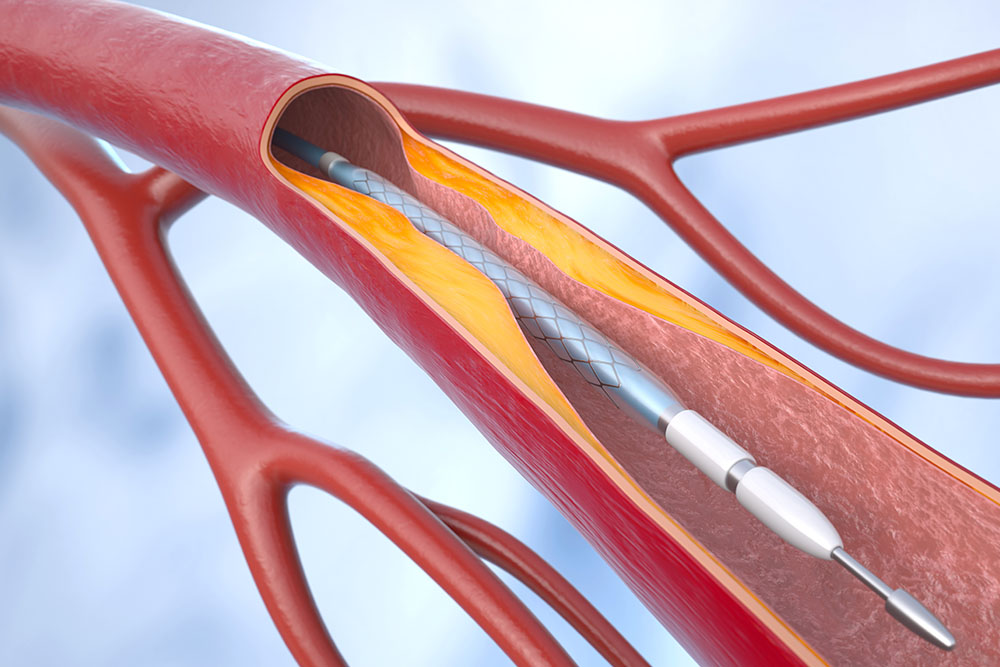
Coronary Angioplasty
Coronary angioplasty (also called PCI) opens a narrowed or blocked artery using a small balloon, usually followed by stent placement to keep the artery open.
- How it helps: improves blood flow, relieves angina, and reduces the risk of heart damage.

Left Main Stenting
The left main coronary artery supplies a large portion of the heart muscle. When this artery is significantly narrowed, it is traditionally treated with bypass surgery. For selected patients who are not suitable for surgery, left main stenting offers a catheter-based alternative.
- Why it’s important: left main disease can affect two-thirds of the heart muscle — timely treatment is crucial.

IVUS (Intravascular Ultrasound)
IVUS uses a miniature ultrasound probe placed inside the artery to obtain detailed images from within. What it does:
- Measures the exact size of the artery
- Assesses how much plaque is present
- Confirms that the stent is well expanded and properly placed
This improves long-term results and reduces the risk of re-narrowing.
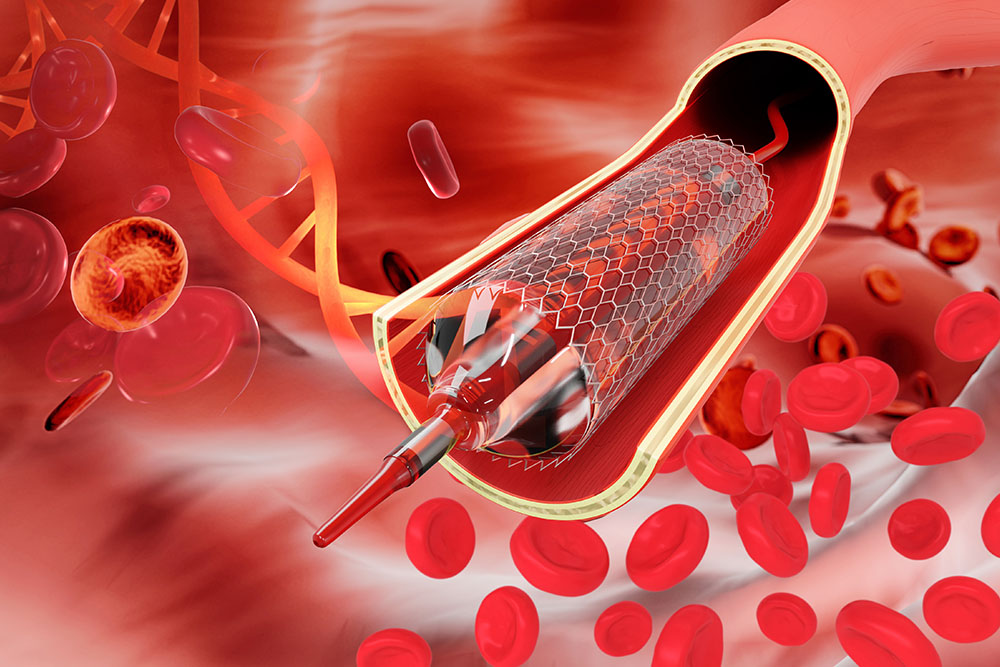
Rotablation
Some coronary arteries have heavy calcium deposits that make standard balloon angioplasty difficult. Rotablation uses a tiny rotating burr (with diamond chips) to gently shave away the calcium so that stenting can be done safely.
- Used for: heavily calcified, resistant lesions.
- Benefit: allows successful treatment of blockages that otherwise cannot be opened.
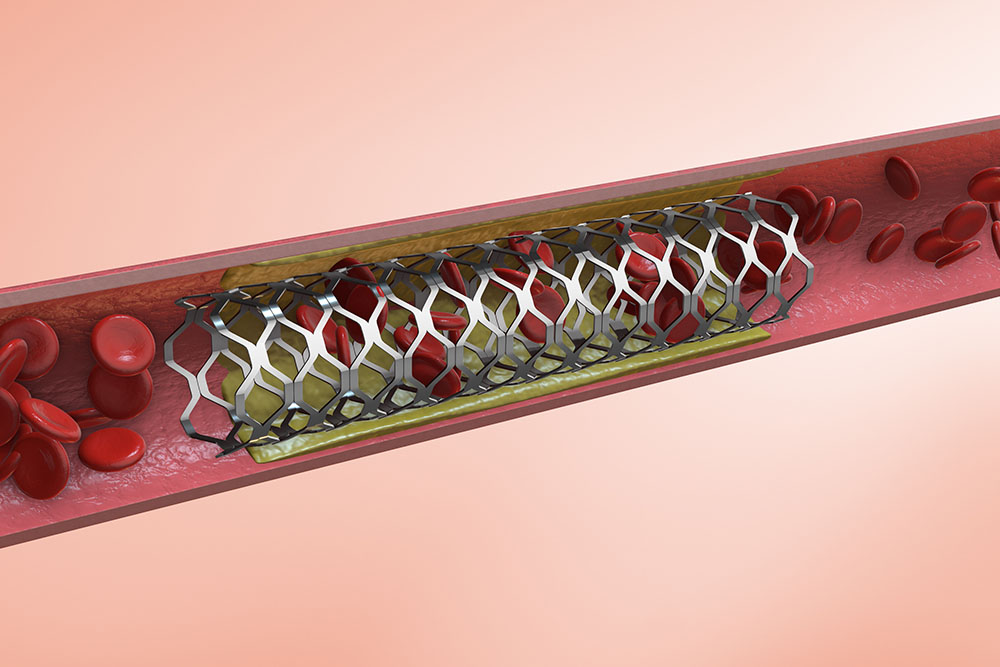
Acute or Emergency Angioplasty
During a heart attack, a clot can suddenly block an artery. Emergency (primary) angioplasty quickly opens the blocked vessel to restore blood flow and limit heart muscle damage.
- Why it’s ideal: when done promptly, it can restore flow in >90% of cases and improve survival.
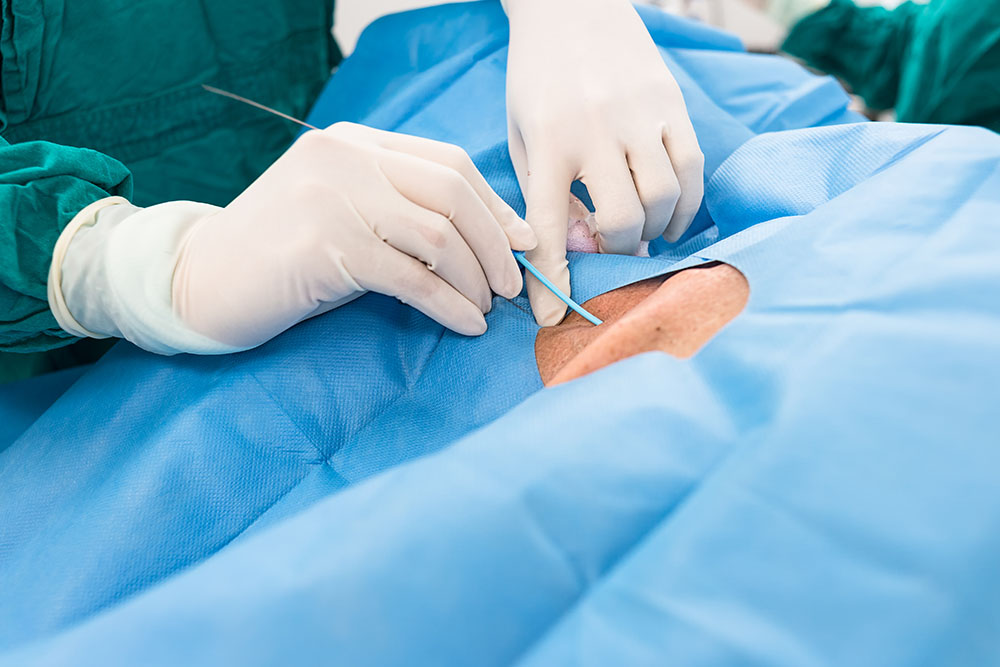
Pressure Wire Assessment
A pressure wire (very thin wire with a sensor at the tip) is used to measure pressure before and after a narrowing.
- Purpose: to confirm whether a borderline narrowing is actually restricting blood flow.
- Outcome: if the pressure drop is significant, angioplasty is recommended; if not, unnecessary stenting can be avoided.

Saphenous Vein Graft Intervention
In patients who previously had bypass surgery, the vein grafts used can become narrowed or degenerate over time. Treating these grafts requires special protection devices (filters, balloons) to prevent debris from travelling downstream.
- Why special technique is needed: to reduce the risk of small particles blocking smaller heart arteries during the procedure.

Chronic Total Occlusion (CTO) Angioplasty
CTOs are arteries that have been completely blocked for a long time. These are more complex to treat and may require longer procedure time, specialised wires, and pre-planning with CT angiogram.
- Success depends on: length of blockage, amount of calcium, and position of the occlusion.
- Benefit: successful CTO treatment can relieve angina and improve heart function.
When Is Coronary Intervention Recommended?
- Chest pain (angina) not controlled by medication
- Abnormal stress test or imaging showing poor blood flow
- Acute heart attack / urgent presentation
- Significant narrowing in a major coronary artery
- Re-narrowing of a previously treated artery or graft
Schedule a Heart Health Check Today
Your heart works hard for you — make sure your arteries are supplying it well. If you have chest discomfort, breathlessness, or an abnormal cardiac test, our cardiologists can advise whether angioplasty or further imaging is needed.
Unsure which procedure you need?
Share your symptoms or test results with us and our interventional cardiologist will recommend the safest and most appropriate treatment.
Common reasons
for referral
- Chest pain
- Abnormal treadmill / ECG / CT scan
- Known coronary artery disease
- Post-CABG graft problems
Schedule A Heart Health Check Today
Your heart works hard for you—make sure it’s in good shape. A quick check-up today could help prevent serious problems tomorrow.
-
Monday to Friday
8.00 am to 5:00 pm
-
Saturday
8:30 am to 12:30 pm
-
Sunday
Closed
-
Monday to Friday
8.00 am to 5:00 pm
-
Saturday
8:30 am to 12:30 pm
-
Sunday
Closed
-
Monday to Friday
8.00 am to 5:00 pm
-
Saturday & Sunday
Closed
-
Monday to Friday
8.00 am to 5:00 pm
-
Saturday
8:30 am to 12:30 pm
-
Sunday
Closed
