
Non Invasive Tests
Electrocardiogram (ECG) Test
Electrocardiogram (ECG) Test
Electrocardiogram (ECG) Test in Singapore
Your heart doesn’t always warn you loudly when something is wrong. Chest discomfort, shortness of breath, or even unexplained fatigue can all be signs of hidden heart issues. An electrocardiogram (ECG) test is a fast, non-invasive way to check your heart’s rhythm and detect problems early.
Understanding ECG Test
What Is an ECG Test
How an Electrocardiogram Works
Your heart sends out electrical impulses each time it beats. These signals coordinate how the upper and lower chambers contract so blood is pumped effectively.
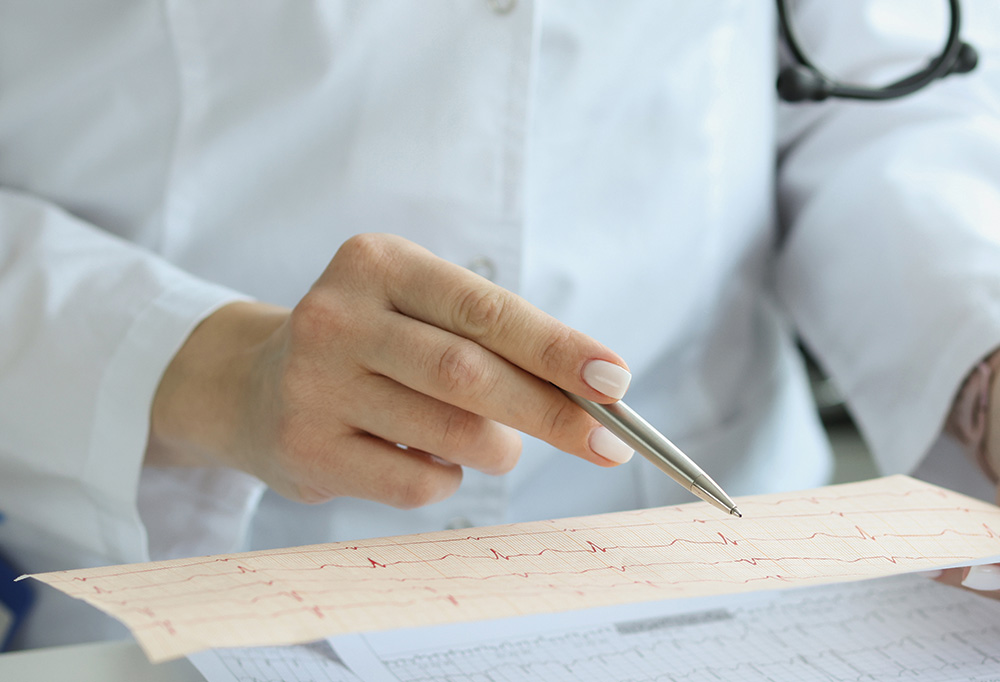
An ECG displays the timing and strength of these impulses as a wave pattern. Each part of the pattern corresponds to a specific phase of the heartbeat, allowing doctors to see if the signals are travelling normally or if there are disruptions.

When Is an ECG Test Recommended
You don’t need to wait for a serious health scare to undergo an ECG test. Many people in Singapore take it as a precaution, especially when there’s a family history of heart disease or early signs of cardiovascular issues.
Symptoms of Heart Disease
Your body often gives early warning signs when your heart isn’t functioning properly. If you experience any of the following, your doctor may order an ECG test.
- Chest pain or pressure, which can indicate reduced blood flow to the heart (angina) or, in urgent cases, a heart attack.
- Shortness of breath, which may be linked to heart failure, valve problems, or poor circulation.
- Dizziness or fainting spells, which are sometimes caused by abnormal heart rhythms that reduce blood supply to the brain.
- Persistent tiredness without another clear cause, which can be related to reduced heart function.
Irregular Heartbeat
Your doctor may also order and ECG, if you have signs of an abnormal rhythm:
- Palpitations
- Rapid heart rate (tachycardia)
- Slow heart rate (bradycardia)
- Irregular rhythm (arrhythmia)
Risk Factors for Heart Disease
Even if you have no symptoms, an ECG test may be useful if you have one or more of the following:
- High blood pressure
- High cholesterol
- Type 2 diabetes
- Smoking habits
- Obesity
- A family history of heart disease or sudden cardiac death
If you’re over 40 or leading a sedentary lifestyle, your doctor may suggest an ECG test before you start a new exercise programme, especially one involving high-intensity training.
Monitoring Existing Heart Conditions
If you’ve been diagnosed with a heart condition, such as atrial fibrillation, heart block, cardiomyopathy, or heart valve disease, regular ECG testing helps your doctor:
- Track how your heart is responding to medication or treatment.
- Check for worsening symptoms.
- Detect any new or changing abnormalities in your heartbeat.
If you’re over 40 or leading a sedentary lifestyle, your doctor may suggest an ECG test before you start a new exercise programme, especially one involving high-intensity training.
Schedule a Heart Health Check
Unsure if your symptoms are heart-related? Make an appointment for an ECG test at Novena Heart Centre to get clarity.
Electrocardiogram Procedure
Preparing for an ECG Test
No special preparation is usually needed for a standard ECG test. You can eat and drink as normal, and continue taking your usual medications unless your doctor advises otherwise. That said, it helps to:
- Avoid oily skin products or lotions on the day of your test, as they can interfere with the electrode contact.
- Wear a loose-fitting top or two-piece outfit, so your chest, arms, and legs are easily accessible.
- Let your doctor know if you have any implanted devices (like a pacemaker) or if you’ve been feeling unwell.
During an Electrocardiogram
The ECG test typically takes about five to 10 minutes. Here’s what typically happens:
- You’ll be asked to lie down comfortably on an examination table.
- A technician will attach small, sticky electrode patches to your chest, arms, and legs.
- These electrodes are connected by wires to the ECG machine, which records your heart’s electrical signals.
After the Electrocardiogram
Once the ECG test is done, you can resume your normal activities. Your results may be available immediately, especially if the test is done in-clinic, or they may be reviewed by a cardiologist and shared with you at your next appointment.
If your doctor detects any abnormalities on the ECG, further testing or treatment may be recommended, depending on what was found.
Benefits of an ECG Test
Detect Heart Conditions Early
- An ECG test can pick up early changes linked to a heart attack or reduced blood flow to the heart muscle.
- Subtle rhythm changes, like atrial fibrillation, may be identified even if you only notice occasional palpitations. Detecting these early allows treatment to begin before complications, such as stroke, develop.
- In some cases, ECGs can reveal silent heart conditions that might otherwise go unnoticed until an emergency occurs.
Supporting Reliable Diagnosis
- ECGs give doctors a direct view of your heart’s electrical activity, helping to distinguish between heart-related symptoms and other possible explanations.
- An ECG can show whether chest pain is due to reduced blood supply to the heart or unrelated causes, such as muscle strain or acid reflux.
- Abnormal results can guide doctors on whether further tests are needed.
- By comparing a new ECG with past results, doctors can see whether your heart condition has changed over time.
Role in Preventive Healthcare
- If you have diabetes, high blood pressure, or high cholesterol, an ECG may provide a useful baseline for long-term monitoring.
- When done regularly, ECG tests can help your doctor track whether preventive measures, such as lifestyle changes or medication, are keeping your heart healthy.
- In pre-surgical settings, ECGs are often used to confirm that your heart is stable enough for anaesthesia and the planned procedure.
Cost of ECG Test in Singapore
Factors Affecting ECG Cost
The price of an ECG test in Singapore depends on several factors:
- Type of Healthcare Provider: Fees at private clinics are usually lower than at hospitals, where additional facility and consultation charges may apply.
- Urgency of Results: Faster turnaround times, such as same-day reporting, may come with higher fees.
- Package Inclusions: An ECG test done as part of a health screening package may cost less than a standalone test.
Comparing ECG Price Options
The cost of a standard, 12-lead ECG test at a private clinic can range from $49 to $63, with an additional $38 to $49 to consult a doctor.
In public hospitals, an ECG test is often included in a health screening package, which can raise costs comparatively.
Medisave and Insurance Coverage
- Medisave: An ECG test on its own is usually not Medisave-claimable, as it’s considered a basic diagnostic test. However, if it’s performed as part of an approved procedure or hospital admission, Medisave may apply.
- Insurance: Outpatient insurance plans sometimes cover ECG tests if ordered by a doctor for a suspected condition. Coverage varies by policy, so it’s best to confirm with your insurer before booking.
Book an ECG Test in Singapore
At Novena Heart Centre, your heart is in experienced hands. Our cardiologists will not only review your ECG but also explain what the results mean for your health, so you can feel confident about your next steps. If you’ve been experiencing worrying symptoms or simply want peace of mind, book your appointment today.
FAQs on ECG Test in Singapore
Why would my doctor recommend an ECG test?
Doctors recommend an ECG test to investigate symptoms such as chest pain, palpitations, shortness of breath, dizziness, or fainting. It may also be ordered if you have risk factors like high blood pressure, diabetes, or a family history of heart disease. The test helps determine if these issues are linked to your heart’s electrical activity.
Is an ECG and an electrocardiogram the same thing?
ECG stands for electrocardiogram. Technically, the “ECG” is the tracing or recording of your heart’s electrical activity, while the “ECG test” is the procedure used to obtain that recording. In everyday use, people often use both terms to mean the same thing.
Do I need to do anything to prepare before my ECG test?
No major preparation is required. You may be asked to avoid applying lotions or oils on your chest so the electrodes stick properly. You may also be instructed to wear a loose shirt so the electrodes can be placed on your chest, arms, and legs easily.
Are there any side effects from an ECG?
An ECG test is safe and non-invasive. You may feel a brief chill from the gel or a slight tug on the skin when the electrodes are removed, but there are no lasting side effects.
How long will it take to finish the ECG test and get results?
The test itself usually takes about five to 10 minutes. In most clinics, results are available the same day, while hospitals may take up to a few days for the formal report.
What is a normal ECG result?
A normal ECG shows a steady rhythm and expected wave patterns that reflect the heart’s electrical cycle. This means there are no signs of abnormal conduction, strain, or previous damage. Your doctor will interpret the tracing in the context of your overall health.
Unsure which test you need?
Share your symptoms with us and our cardiology team will recommend the most suitable non-invasive test.
Common reasons for testing
- Chest pain / tightness
- Irregular heartbeat / palpitations
- Fainting or giddiness
- Breathlessness on exertion
- Pre-operative / pre-procedure cardiac screening
Schedule A Heart Health Check Today
Your heart works hard for you—make sure it’s in good shape. A quick check-up today could help prevent serious problems tomorrow.
-
Monday to Friday
8.00 am to 5:00 pm
-
Saturday
8:30 am to 12:30 pm
-
Sunday
Closed
-
Monday to Friday
8.00 am to 5:00 pm
-
Saturday
8:30 am to 12:30 pm
-
Sunday
Closed
-
Monday to Friday
8.00 am to 5:00 pm
-
Saturday & Sunday
Closed
-
Monday to Friday
8.00 am to 5:00 pm
-
Saturday
8:30 am to 12:30 pm
-
Sunday
Closed
