
Our Services
Exercise and Dobutamine Stress Echocardiogram
Exercise and Dobutamine Stress Echocardiogram
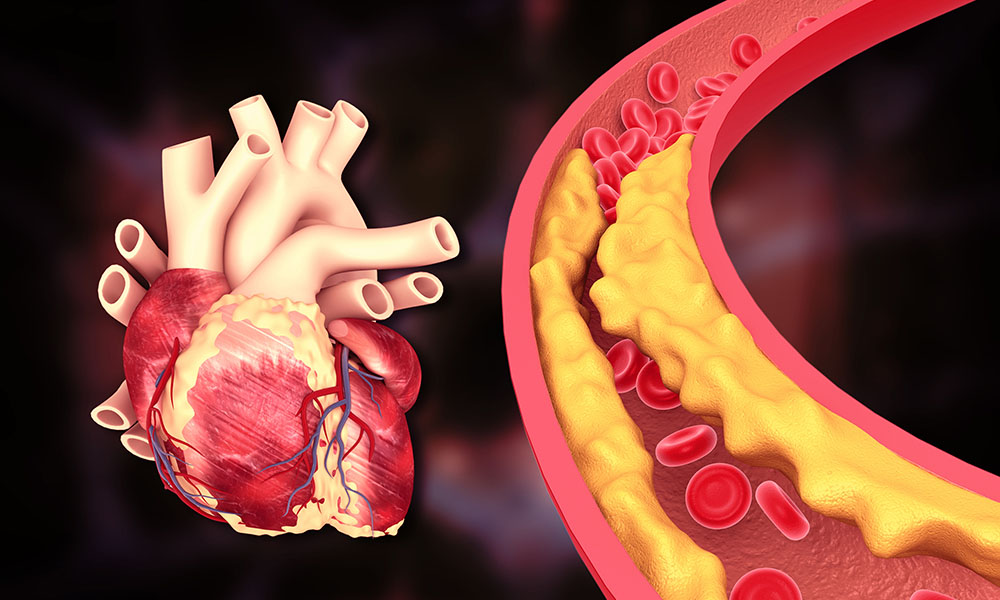
You may experience no or minimal symptoms of a heart artery blockage while at rest but symptoms may be more evident when the heart is stressed by exercise or medications that stimulate the heart. The narrowed arteries can’t enlarge to accommodate the increased blood flow, which compromises blood flow to the heart muscle, starving it of oxygen. Stress echocardiography is capable of diagnosing significant disease in more than 85% of patients with significant narrowing of the heart arteries. It is an outpatient test that takes about 90 minutes.

How is Stress Echocardiography Performed?
Rest Test
You will undergo a baseline examination first while lying down so that your doctor can gather information regarding the size and function of the various chambers of the heart and structure and function of the valves at rest. Electrodes will be attached to your chest and connected to wires to record the electrocardiogram (ECG). A colourless gel will then be applied to your chest and the Echo transducer will be placed on top of it to obtain several views of the heart. You may be asked to change position, breathe slowly or hold your breath so that your doctor can get clear pictures of your heart.
Treadmill Test
Next, you will be asked to step on the treadmill and begin a slow warm up. The speed and gradient of the treadmill will be increased every three minutes. Your doctor will stop the treadmill when you exceed 85% of your target heart rate (based upon your age), or sooner in the unlikely event you develop symptoms such as chest discomfort, marked shortness of breath, weakness or dizziness. The risk of this test is no higher than exercising at home or in a gym.
If you are unable to complete a high level of exercise, your doctor will instead stress the heart using medicines infused through an IV line inserted into a vein in your arm.
Repeat Rest Test
Immediately after the treadmill test, you will be moved to the examination bed and asked to lie on your left side, and the Echo examination will be repeated.
Your cardiologist will compare the rest images with the post-exercise images and look for any abnormalities in how the heart muscle contracts in response to exercise. Reduced heart muscle contraction during exercise indicates the presence of blockages in one or more heart arteries. Your cardiologist may conduct a Coronary Angiography to evaluate your condition further.

How is Stress Echocardiography Performed?
You may be a good candidate for a Stress Echocardiography if:
- your symptoms suggest coronary artery disease
- your ECG treadmill test is unclear or inconclusive
- you have heart disease and your doctor needs to evaluate its progression
- you are about to undergo major surgery and your surgeon needs to assess your heart attack risk
- you have chronic severe heart valve abnormalities

What Preparation Is Required For Stress Echocardiography?
- Do not eat or drink for 3 hours prior to the procedure. This reduces the likelihood of nausea that may accompany strenuous exercise after a heavy meal. Diabetics, particularly those who use insulin, will need special instructions from their doctor.
- Specific heart medicines (e.g. beta-blockers) may need to be stopped one or two days prior to the test. Such instructions are generally provided when the test is scheduled.
- Wear comfortable clothing and shoes that are suitable for exercise.
Unsure if you need Cardiac Imaging?
Our cardiologists can help determine the cause of your symptoms and recommend the right tests and treatment.
Common reasons for testing
- Chest pain / tightness
- Irregular heartbeat / palpitations
- Fainting or giddiness
- Breathlessness on exertion
- Pre-operative / pre-procedure cardiac screening
Schedule A Heart Health Check Today
Your heart works hard for you—make sure it’s in good shape. A quick check-up today could help prevent serious problems tomorrow.
-
Monday to Friday
8.00 am to 5:00 pm
-
Saturday
8:30 am to 12:30 pm
-
Sunday
Closed
-
Monday to Friday
8.00 am to 5:00 pm
-
Saturday
8:30 am to 12:30 pm
-
Sunday
Closed
-
Monday to Friday
8.00 am to 5:00 pm
-
Saturday & Sunday
Closed
-
Monday to Friday
8.00 am to 5:00 pm
-
Saturday
8:30 am to 12:30 pm
-
Sunday
Closed
